Ashwin Rajan
The superficial is the core
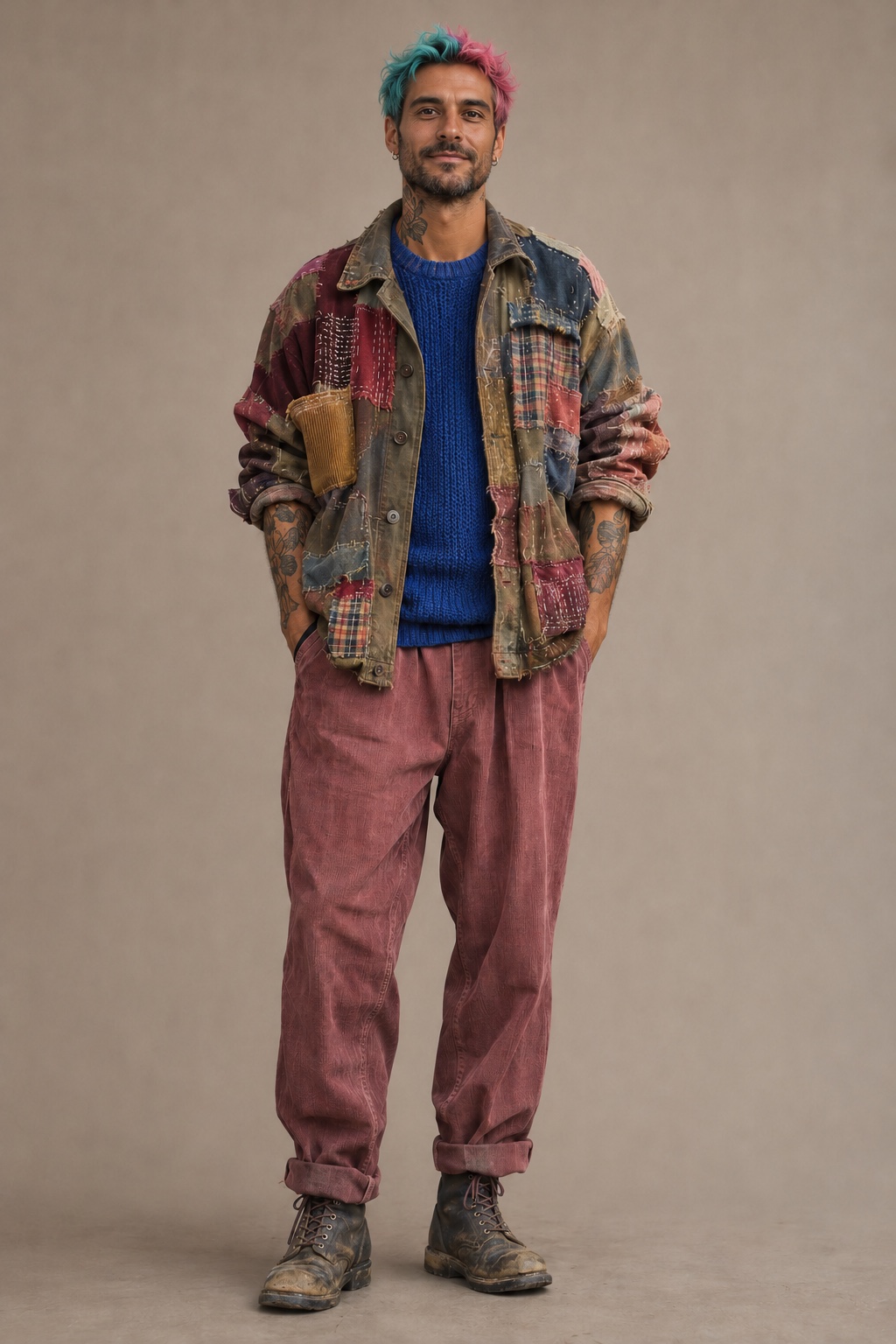
Meet Khaled. He’s straight and monogamous. He votes right, believes in capitalism, and manages procurement for a multinational. He patched the jacket himself. The pink and teal hair was his idea.
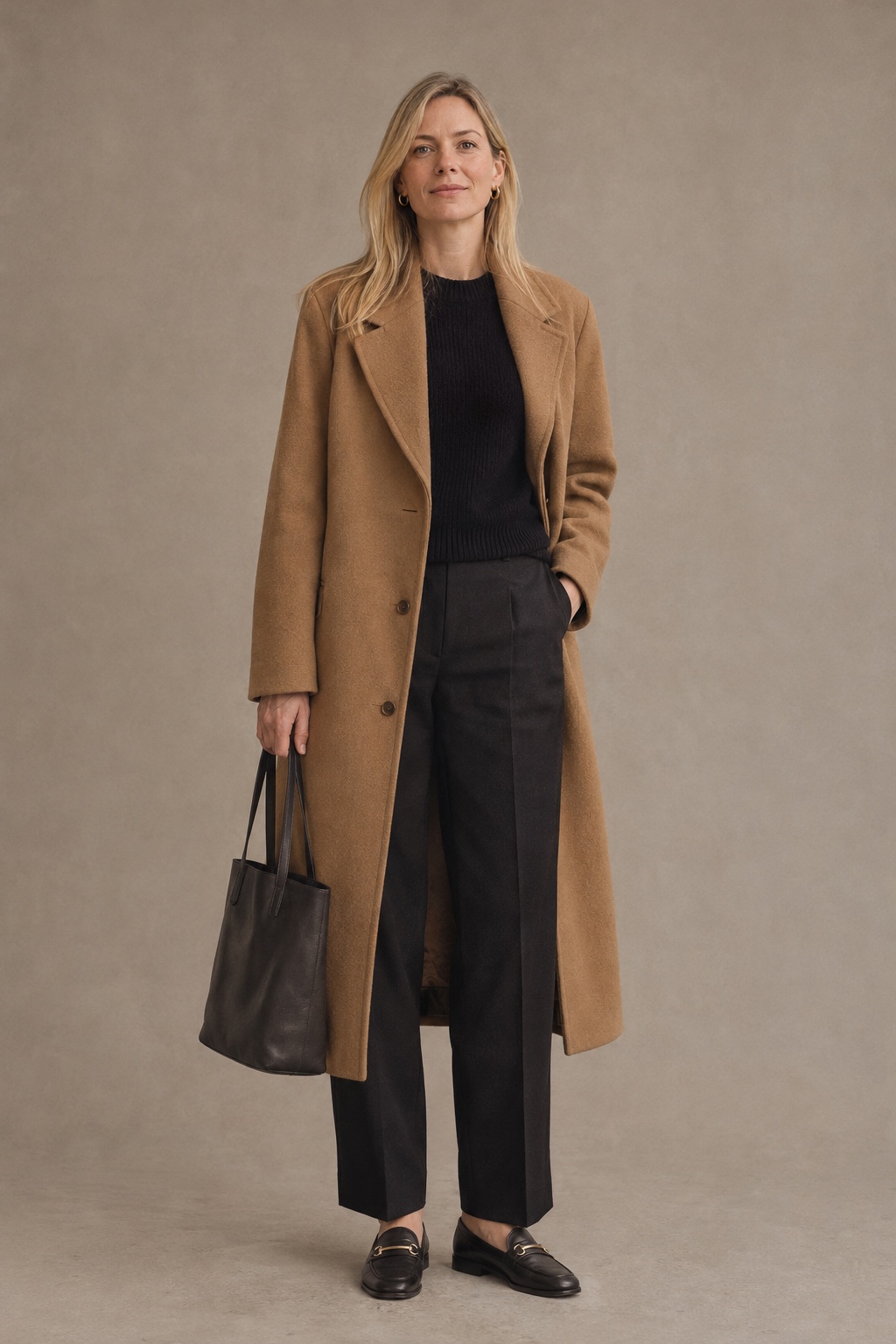
Meet Maria. She’s queer, non-monogamous, and well to the left of the parties that usually win elections. She helps run a neighbourhood repair collective. The camel coat is from Zara.
What’s wrong with these?
I made them both up. If the descriptions feel a little wrong to you, you might be part of what I think of as a global flattening of culture. I felt it too. Otherwise I wouldn’t have known how to dress them to make the point.
Flattening is the word I want. Homogeneity is hard to argue for when the ways people describe themselves keep multiplying. Look at Feeld’s glossary. Alongside gay, straight and bisexual you get bi-curious, heteroflexible, homoflexible, pansexual, omnisexual, polysexual, demisexual, demiromantic, GrayA, androgynosexual, fictosexual. There are finer and finer distinctions in how people talk about who they are and how they experience attraction. And yet a coat can still make us think we know how someone votes.
Why should that be? What exactly stops Khaled from liking a sheer mesh top, a pearl choker, a bit of glitter at the corner of his eyes? I read those things as queer-coded in certain settings. Fine. But why should that tell me anything about what he thinks of capitalism or whether he wants to sleep with anyone besides his wife?
And why shouldn’t Maria like a long camel coat, a cream cashmere jumper, very ordinary loafers and a straight blonde blowout? Maybe she likes a powdery iris perfume that smells like someone’s well-dressed aunt. Maybe Khaled likes a sticky rose that gets into his jacket and stays there for a week. Then you get into where they go on holiday, what sofa they buy, what they put on the walls. How much of that are we supposed to be able to guess once we know who they sleep with?
What I’m curious about is the moment you put something back on the rack. Did you decide you didn’t like it, or did you picture the person everyone would assume you were if you wore it? If that second thought is making more of our choices for us, there’s something deeply conservative about both camps. You learn what your people look like and you learn the small cost of looking like someone else.
Is that a kind of global conservatism taking shape across cities? Two camps that think they’re miles apart, both getting better at looking the part. Where’s the radical in that? And how deep does consumer culture go if even our disagreements come with a wardrobe?