Ashwin Rajan
The wind has no reason to keep you playing
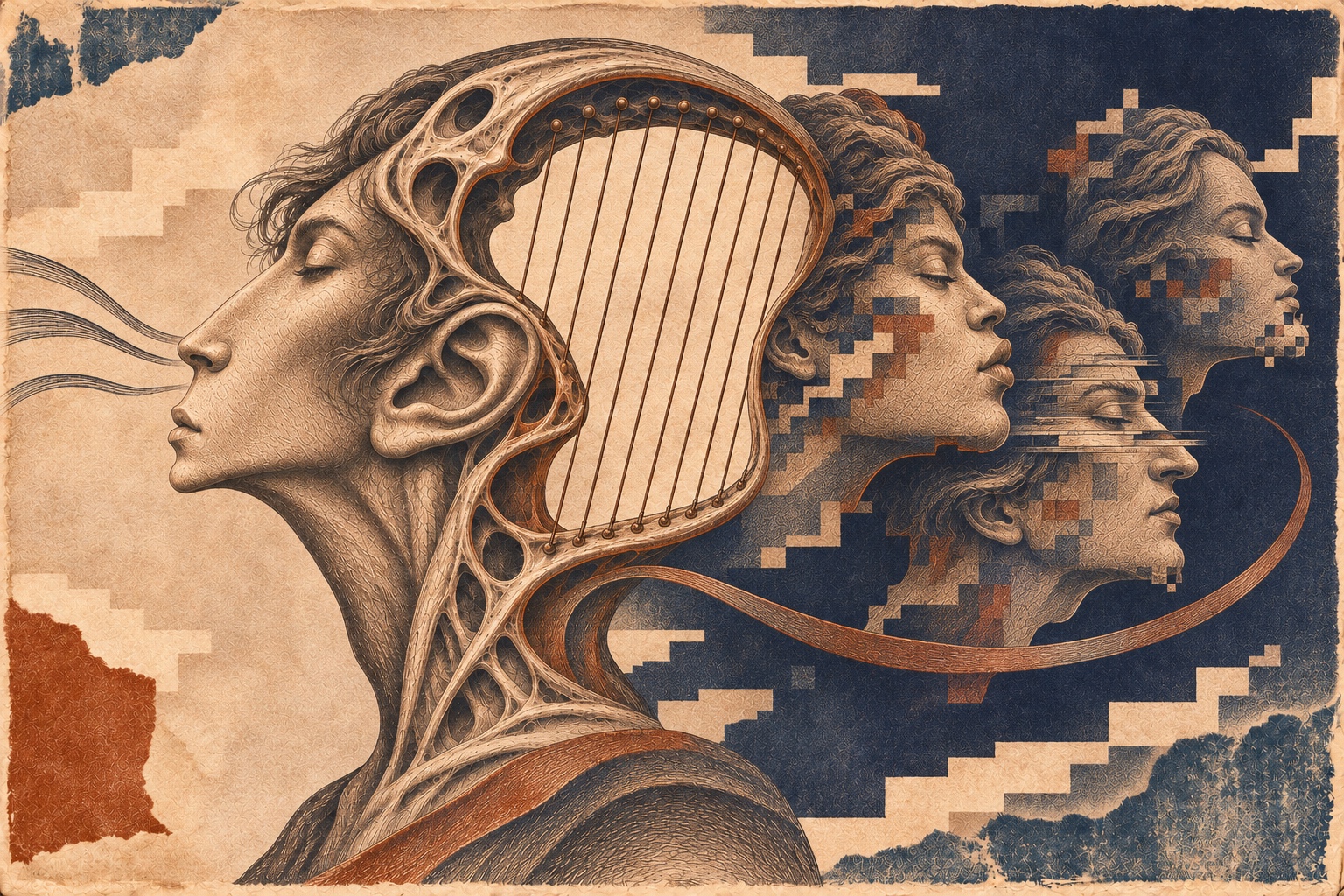
There’s a moment when I’m making an image with a model and it gives me something I would never have asked for. I like it immediately. Then I go back and ask for more of whatever that was. By the third or fourth pass, I’m giving quite specific instructions about a thing I didn’t know I liked ten minutes ago. It feels like I know what I want.
I thought about that reading Thomas Moynihan’s piece on London’s AI art scene. He writes about Alex Quicho, who noticed men in crypto adopting feminine avatars and ways of speaking. She sees a related performance in the patient, attentive persona a chatbot can put on. Quicho works with her own likeness, too. I’m interested in what happens when you spend enough time around these performances that they start to change what you see in your own face. What do you do with an image that feels a little wrong and that you keep coming back to? For Quicho, that feeling is something she can work with. Inside London’s strange new AI art scene
Moynihan brings up Coleridge’s Aeolian harp. You leave it where the wind can reach it, and the wind plays the strings. I like that picture of making art. Some of the pleasure is in feeling something come through that I couldn’t have arrived at by sitting there and thinking harder.
But the wind has no reason to keep you playing. A platform can. It can learn which version makes me linger, and I can learn to ask for that version sooner. I might make something I love in the process. That’s what makes it hard to tell where one thing ends and the other begins.
When I recognise my own taste in what the machine gives me back, how do I know whether it was there all along or whether I’m catching it in the act of forming?